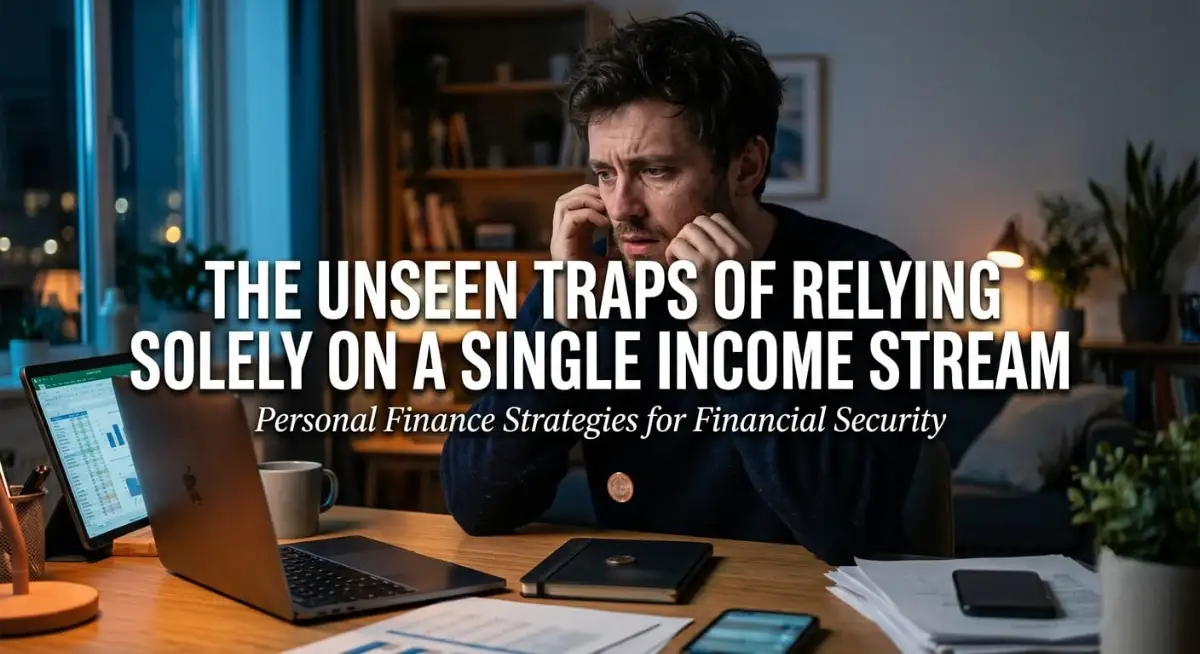
Waking Up to Financial Panic: My Personal Turning Point
I remember staring blankly at my bedroom ceiling at three in the morning, completely unable to sleep. My heart was racing, and a heavy knot of anxiety sat directly in my stomach. The transmission on my only car had just blown out on my way home from work, and the mechanic quoted me a price that made my jaw drop.
I had exactly twenty-two dollars in my checking account at that moment. I had absolutely no idea how I was going to pay for the repairs, get to my job the next morning, or buy groceries for the rest of the week.
That night, I realized a terrifying truth about my financial life. I was living completely on the edge, one single piece of bad luck away from a total disaster. I had to use a high-interest credit card just to get my car back on the road.
It took me several painful months to pay off that one single swipe of plastic. I felt trapped, exhausted, and incredibly angry at myself for not being prepared. That was the exact moment I promised myself I would never feel that helpless ever again.
Living without a financial safety net is completely exhausting for the average person today. Every time your phone rings with an unknown number, you secretly panic that it might be a debt collector or a doctor's office with a surprise bill.
This constant, lingering financial anxiety slowly eats away at your everyday happiness. You find yourself fighting with your partner over tiny purchases simply because the underlying stress of having zero backup cash is always bubbling right under the surface.
You cannot truly enjoy a dinner out with friends or a quiet weekend at home when your brain is constantly running worst-case scenarios. What if the roof starts leaking? What if the refrigerator completely dies tomorrow morning?
When you do not have money set aside for the unexpected, every minor inconvenience suddenly becomes a massive, life-altering emergency. A broken tooth is no longer just a physical pain; it becomes a financial nightmare that keeps you up at night.
You end up relying on credit cards, borrowing money from family members, or taking out awful payday loans just to survive. This instantly creates a toxic cycle of debt that feels almost impossible to escape from.
But I am here to tell you that escaping this cycle is entirely possible for you. You do not need to be wealthy, and you do not need a massive salary to start protecting yourself today.
Designing Your Ultimate Financial Shock Absorber
Creating a cash buffer is exactly like putting a heavy-duty shock absorber on your car. When you hit a massive pothole on the highway of life, you might feel a small bump, but your entire vehicle does not fall apart.
Most people completely overcomplicate the process of saving money. They think they need complex spreadsheets, aggressive investing strategies, or a degree in economics to protect their families.
Let us completely simplify the process right now. We are going to build this safety net using small, entirely manageable steps that you can start taking this very afternoon.
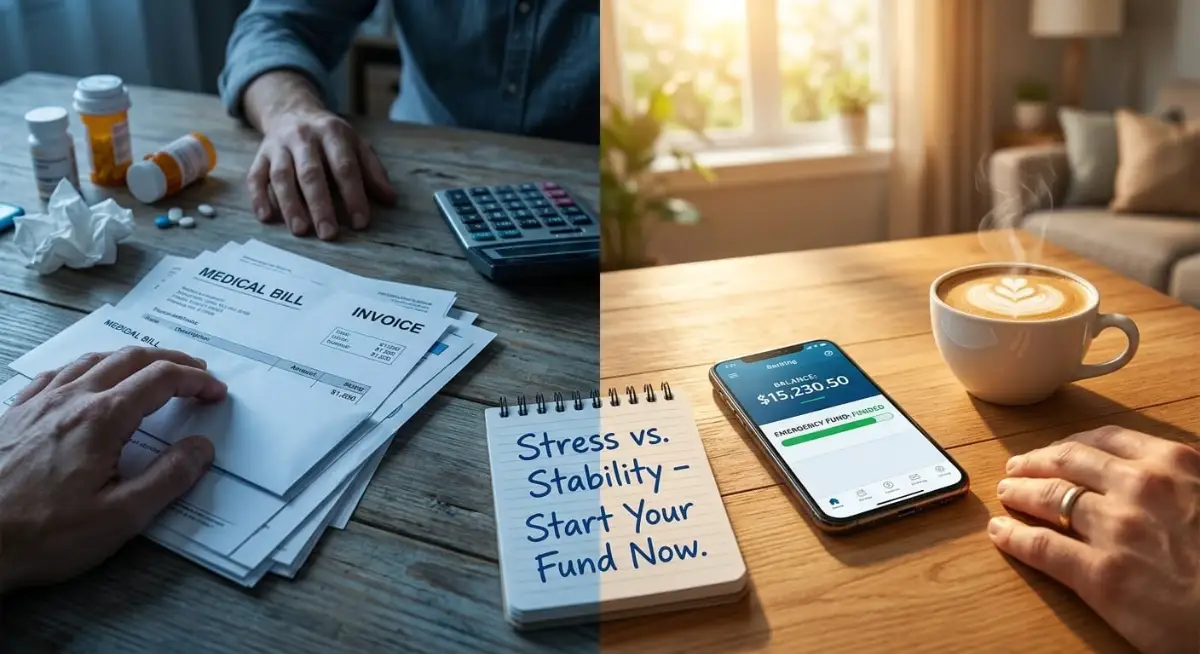
Before we jump into the specific actions, let us clear up some massive misunderstandings about saving money.
Myth vs. Reality: The Truth About Saving
Understanding these basic truths completely changes how you look at your bank account. You are no longer trying to climb a massive mountain in one single day. You are simply taking one single step forward.
Setting Your Very First Mini-Goal
When you are starting from absolutely nothing, thinking about saving three to six months of living expenses is incredibly overwhelming. It feels like an impossible dream, so most people just give up before they even try.
This is why you must start with a "starter" target. Your very first mission is to save exactly $1,000 as fast as humanly possible.
Why this specific number? Because one thousand dollars is just enough to cover most annoying, everyday emergencies. It will easily pay for a new set of tires, a minor medical deductible, or a sudden plumbing repair in your home.
Having this small cash barrier completely stops you from reaching for your credit card when life happens. It breaks the terrible habit of borrowing money to fix everyday problems.
How to Find Your First Few Dollars Fast
You are probably thinking that you have absolutely no extra money left at the end of the month. I completely understand that feeling, because I used to say the exact same thing to myself.
However, when you truly look at your spending habits, you will almost always find hidden cash leaks. Start by printing out your last two bank statements and grabbing a bright red pen.
Go through every single line item and aggressively look for things you did not actually need. Did you pay for a streaming service you have not watched in a month? Cancel it immediately and move that money.
Look around your living room, garage, and bedroom closets for items you no longer use. Sell that old bicycle gathering dust, list those designer shoes on a resale app, and put every single penny directly into your starter fund.
My Personal Pro Tip: I learned the hard way that keeping my savings in my regular checking account was a massive mistake. I would just transfer it back whenever I wanted takeout. Moving that cash to a completely separate high-yield savings account finally forced me to leave it alone.
The Magic of Paying Yourself First
One of the biggest mistakes ordinary people make is trying to save whatever money is left over at the end of the month. The painful reality is that there is almost never any money left over.
Human beings naturally expand their spending to match their available cash. If you see money sitting in your checking account, your brain subconsciously finds a reason to spend it on something fun.
The absolute best way to fix this is to completely reverse your process. You must pay yourself before you pay anybody else.
The moment your paycheck hits your bank account, automatically transfer a set amount directly into your savings. It does not matter if it is $50, $20, or even just $5.
By making this process completely automatic, you remove the emotion and the temptation. You do not even have to think about being responsible, because the bank computer does all the heavy lifting for you.
Seeing someone else succeed can completely change your mindset, so check out this incredible visual breakdown of building your savings from zero.
Deciding Where to Hide Your Cash
Where you actually keep this money is incredibly important to your success. If you keep it in a glass jar on your kitchen counter, you will eventually raid it to pay the pizza delivery guy.
If you leave it in your everyday checking account, it will quietly disappear into your daily coffee purchases or grocery runs. You need to build a healthy barrier between you and your safety net.
The smartest place to put your emergency cash is an online High-Yield Savings Account (HYSA). These accounts usually offer much higher interest rates than your traditional neighborhood bank.
More importantly, they usually take about two or three business days to transfer money back to your main checking account. This slight delay gives you a chance to cool down and decide if you are truly facing a real emergency.
Defining What Actually Counts as an Emergency
This sounds completely obvious, but you must establish strict ground rules for when you are allowed to touch this money. A lot of people accidentally drain their funds because they justify bad spending habits.
Let us be completely clear about what an emergency actually is. An emergency is an unexpected, urgent, and highly necessary expense.
A sudden trip to the emergency room is a real emergency. Your car breaking down when you need it for work is a real emergency. Losing your job unexpectedly is the ultimate emergency.
A massive sale on your favorite brand of shoes is not an emergency. A last-minute invitation to a friend's destination wedding is definitely not an emergency. Buying holiday gifts for your family is a planned event, not a sudden surprise.
If you use your safety net for everyday fun, you are simply stealing money from your future self. When a real disaster finally strikes, the cash you desperately need will already be gone.
Expanding Your Shield: The Next Big Step
Once you successfully hit that initial $1,000 milestone, you should take a moment to celebrate your amazing discipline. You are now officially ahead of millions of people who have absolutely nothing saved at all.
But you cannot stop there, because a thousand dollars will not protect you from a major life event like a sudden job loss. Your next major goal is to calculate your true monthly survival number.
Your survival number is the absolute minimum amount of cash you need to keep a roof over your head and food on the table for exactly one month. Do not include dining out, expensive hobbies, or luxury gym memberships in this math.
Simply add up your rent or mortgage, basic utilities, basic groceries, required insurance, and minimum debt payments. This total number is exactly what it costs to run your life for thirty days.
Most financial experts heavily recommend saving enough to cover three to six months of these basic living expenses. If you work in a highly unstable industry or you are self-employed, you might even want to aim for a full nine months of coverage.
Overcoming the Mental Roadblocks
Building this larger safety net will definitely take a considerable amount of time. You might feel frustrated when the balance grows slowly, and you will definitely be tempted to pause your efforts.
You must remember that building wealth is a marathon, not a quick sprint. Every single dollar you put away is a small brick in the financial fortress you are building around your family.
There will be months where you have to use a portion of the money to fix a real problem. When this happens, do not feel discouraged or angry at yourself.
Using your emergency cash for an actual emergency means the system is working perfectly. You successfully avoided going into credit card debt, which is a massive victory in itself.
Simply take a deep breath, fix the problem, and immediately go back to rebuilding the fund with your next paycheck.
The Psychological Relief of Having Cash
People often ask me what the absolute best part of having a fully funded safety net is. They expect me to talk about interest rates or complex financial stability.
The greatest benefit is actually the profound sense of peace that completely washes over your daily life. The heavy weight of constant worry is finally lifted off your shoulders.
When my refrigerator suddenly stopped working last year, I did not panic at all. I did not lose a single second of sleep over how I was going to pay for a replacement.
I simply went to the store, picked out a reasonably priced model, and paid for it in full. A situation that would have ruined my entire month a few years ago was instantly reduced to a minor, annoying chore.
This incredible level of freedom is exactly what I want you to experience for yourself. You deserve to sleep peacefully at night, knowing that you are fully prepared for whatever life throws in your direction.
Staying Consistent on Your Journey
Consistency is the real secret ingredient that makes this entire process work. Saving money cannot be something you only do when you randomly feel motivated or excited.
It must become a deeply ingrained habit, exactly like brushing your teeth or putting on your shoes before you leave the house. You have to learn to embrace a slightly boring, highly disciplined approach to your income.
Try to find joy in watching that account balance slowly tick upward every single month. Gamify the process by challenging yourself to have a "no spend weekend" where you entertain yourself entirely for free.
Cook meals at home using ingredients you already have in the back of your pantry. Invite friends over for a potluck dinner instead of meeting at an expensive, loud restaurant downtown.
Every single choice you make to save ten dollars today buys you an incredible amount of freedom for tomorrow.
Your financial future is entirely in your own hands, and you have the power to change your family's story starting right now. You just have to be willing to take that very first step and remain committed to the journey.
Next-Level Money Hacks for Long-Term Protection
Now that you have your basic cash buffer in place, you are probably wondering how to keep this momentum going. Earning and saving that first thousand dollars completely shifts how your brain handles money. You are no longer just surviving; you are actively building a powerful wall between your family and unexpected disasters.
To turn this temporary success into a permanent lifestyle, we need to talk about scaling your efforts. The absolute best way to ensure your money keeps growing is to completely remove your own willpower from the equation. Relying on motivation is a terrible strategy because motivation naturally fades away after a long day at work.
Instead, you need to start treating your savings account exactly like your monthly electricity or water bill. You would never simply forget to pay for your electricity, right? You should value your financial future with that exact same level of extreme importance.
You can easily set up automated rules with your bank to transfer a specific amount every single payday. The secret trick is to slowly increase this amount every few months by just five or ten dollars. You will never even feel this tiny adjustment in your daily budget, but your account balance will grow much faster over time.
The Magical Rule of Unexpected Cash
One of my absolute favorite strategies for growing a safety net quickly is learning how to handle sudden windfalls. A windfall is any unexpected money that completely falls into your lap outside of your normal paycheck. This could be a yearly tax refund, a bonus from your boss, or even a generous birthday check from your grandmother.
Most people immediately view this extra money as a golden ticket to go on a wild shopping spree. They instantly blow it on a new television or a weekend trip, leaving them right back where they started. If you want to permanently take control of your financial journey, you have to flip this script.
Whenever unexpected cash hits your hands, make a strict personal rule to send at least half of it directly to your emergency reserve. You can absolutely use the other half to treat yourself or buy something fun for your home. This balanced approach allows you to enjoy your life today while heavily protecting your tomorrow.
Creating Separation Between Your Money Buckets
A very common question I hear from beginners is how to organize different financial goals at the same time. You might be trying to save for a sudden emergency, a new car, and a family vacation all at once. If you mix all of this money together in one single account, you will completely lose track of your progress.
The smartest thing you can do is open multiple, specific savings accounts and give them very clear nicknames. You can literally rename your accounts on your banking app to say things like "Do Not Touch - Emergency" or "Summer Trip Fund."
When you log in and physically see the words "Do Not Touch," it creates a powerful psychological barrier. This simple trick makes you highly accountable to your own goals. According to federal guidelines on building an emergency cash cushion, keeping these funds strictly separated is one of the most effective ways to prevent accidental spending.

The Dangerous Traps That Will Drain Your Savings
Building a solid financial foundation feels incredibly rewarding, but the journey is filled with hidden potholes. Even people with the best intentions often stumble into a few massive traps that completely wipe out their hard work. Identifying these silent threats early is the absolute best way to protect your money.
The single biggest threat to your safety net is simply confusing a true emergency with a strong desire. I have seen so many people drain their backup funds to buy front-row concert tickets or upgrade their perfectly fine smartphone. They convince themselves that the sale price is a "once in a lifetime" emergency that they cannot miss.
When you use your backup money for lifestyle upgrades, you are walking into a massive trap. The very next week, your car engine might actually break down, and you will have absolutely nothing left to fix it. This instantly throws you back into the terrifying dangers of living on a single paycheck without a safety rope.
The Risk of the Stock Market Casino
Another massive mistake beginners make is trying to grow their emergency money too fast by throwing it into the stock market. You might see your friends making quick cash on trading apps and feel tempted to invest your safety net to grab higher returns. Please hear me when I say this is a completely disastrous idea.
The entire purpose of your backup fund is to be one hundred percent safe and completely liquid. Liquid means you can access the cash in a matter of hours without paying any penalties or fees. The stock market goes up and down constantly, which means your money is always at risk.
Imagine losing your job on the exact same day the stock market suddenly drops by twenty percent. If your emergency money is tied up in stocks, you just lost a massive chunk of your survival cash exactly when you need it most. You must always keep this specific money out of harm's way, regardless of how inflation affects cash value over time. Leave the aggressive investing for your long-term retirement accounts.
Falling Victim to Lifestyle Inflation
As you get better at smart personal finance habits, you will likely start earning more money at your job. Getting a raise or a promotion is a wonderful feeling, but it often triggers a silent disease called lifestyle creep. This happens when you automatically increase your daily spending to perfectly match your new, higher income.
You might start buying more expensive groceries, eating out at nicer restaurants, or upgrading to a luxury apartment. Suddenly, that three-month backup fund you saved up is no longer enough to cover your new, expensive lifestyle. Your survival number has secretly grown without you even realizing it.
To avoid this dangerous cycle, you have to constantly review your living expenses every single time your income changes. If your monthly bills go up, your cash reserve needs to increase right alongside them. Never let your spending outgrow your safety net.
The Danger of Pausing Your Progress
Sometimes, you might hit your initial goal and decide to take a long break from saving altogether. You think to yourself that you have enough cash sitting there, so you can finally start spending every extra dollar you earn. Taking your foot off the gas pedal entirely is a massive mistake that ruins financial momentum.
Your life is completely unpredictable, and your family size, health needs, or housing situation can change overnight. A single hospital visit or a major home repair can instantly drain a fully funded account. If you lose the daily habit of putting money away, starting over from zero feels twice as difficult.
Even if you drop your monthly contribution down to just ten dollars, you must keep the physical habit alive. Keeping that muscle memory active ensures you are always prepared for the next big phase of your life. It is the absolute best way of escaping the paycheck to paycheck cycle permanently.
Your Action Plan for a Stress-Free Tomorrow
We have covered an incredible amount of ground today, from setting your very first mini-goal to avoiding the biggest spending traps. The absolute worst thing you can do right now is read all of this helpful information and change nothing about your life. Knowledge only becomes true power when you actually put it into practice.
You no longer have to live in constant fear of unexpected bills, broken appliances, or sudden medical needs. By taking small, highly intentional steps, you are completely changing the trajectory of your family's future. You are choosing to buy peace of mind instead of buying temporary distractions.
Extensive research on the psychological impact of financial stress shows that having a cash buffer dramatically improves your daily mental health. You will sleep better, argue less with your spouse about money, and feel a deep sense of confidence at work. This journey is not about restricting your fun; it is about building a massive wall of protection around your happiness.
A Quick Checklist to Start Right Now
To make this completely overwhelming process easier, I want to give you a very simple action plan for tomorrow morning. Do not try to fix your entire financial life in one single afternoon. Just focus on checking off these three simple boxes.
- Morning Task: Log into your bank account and set up one automatic transfer of $10 to your savings for this coming Friday.
- Afternoon Task: Find one single recurring subscription on your credit card statement that you do not really use and cancel it immediately.
- Evening Task: Sit down with your partner or just a notebook and physically write down your ultimate "survival number" for one month of basic living expenses.
If you just commit to these tiny actions, you will officially be on the path to build a stronger money foundation. The hardest part is simply choosing to begin.
Every single time you choose to save a dollar instead of spending it, you are proving to yourself that you are in control. You are actively protecting yourself from income shocks and setting a beautiful example for your children. Stay fiercely consistent, forgive yourself when you make a small mistake, and keep pushing forward no matter what.
I know exactly how overwhelming it feels to stare at a completely empty bank balance, because my life used to look exactly like that. My biggest hope is that you take just one tiny, brave step forward today, because that first small deposit will completely change your future.
Common Questions About Building Your Cash Reserve
How much money should a beginner save first?
Your absolute first target should always be a quick $1,000 cash buffer. This specific amount is just enough to handle most annoying, everyday problems like a flat tire or a broken kitchen appliance. Once you hit this milestone, you can slowly start working towards a full three to six months of living expenses.
Should I pay off my credit cards or build my emergency fund?
You should always build your starter $1,000 safety net before attacking your credit card debt. If you throw every single penny at your debt and leave yourself with zero cash, the next flat tire will just go right back on the credit card. Having that small cash barrier actually breaks the terrible cycle of borrowing money.
Where is the safest place to keep this backup money?
The absolute best place to store this cash is in a High-Yield Savings Account (HYSA) separate from your everyday checking account. This keeps the money perfectly safe, earns you a little bit of interest, and removes the daily temptation to spend it. You never want to tie this specific money up in risky stock market investments.
What exactly should I do if I have to spend my emergency money?
First of all, you should celebrate the fact that you had the cash to fix the problem without going into terrible debt! That means your system worked perfectly. Simply pause your other financial goals for a moment and go right back to rebuilding the fund with your very next paycheck.
Disclaimer: The information provided in this blog post is for educational and informational purposes only and should not be construed as professional financial advice. Everyone's financial situation is entirely unique. Please consult with a certified financial planner or professional advisor before making any major financial decisions or sweeping changes to your investment strategies.
![The Secret Psychology of Borrowing Money[Step-by-Step]](https://www.fintiq24.com/storage/uploads/blogs/1785355747_the-secret-psychology-of-borrowing-moneystep-by-step.webp)